
Today is Ada Lovelace Day, an international celebration of the achievements of women in science, technology, engineering and maths (STEM).
Ada is recognised as the first computer programmer, who wrote algorithms in the 1800s! She helped to shape computer science into what we know today. The early programming language Ada was named for her.
We celebrate the 1 million plus women working in STEM, but recognise the gender gap is still present. In the UK, data shows that women represent only 30 percent of the STEM workforce, so it’s important to consider what we can all do to inspire the next generation of women into STEM.
Today, we celebrate Ada but why wait until a specific day? Being inclusive should not have a timeframe. Every woman should feel empowered to join a career that they are passionate about, and not worry about being excluded.
Inclusion is a core value at Designed for Humans. We pride ourselves in crafting thoughtful, accessible designs built on diversity and inclusion. We believe the best ideas happen when we listen and collaborate.
Tag women who have inspired you below, and send them a huge thank you. Let’s work towards making every day Ada Lovelace Day!
Designed for Humans is here to make your UX resonate and work for real humans.
Curious about products and innovation?
Take a look at our other blogs
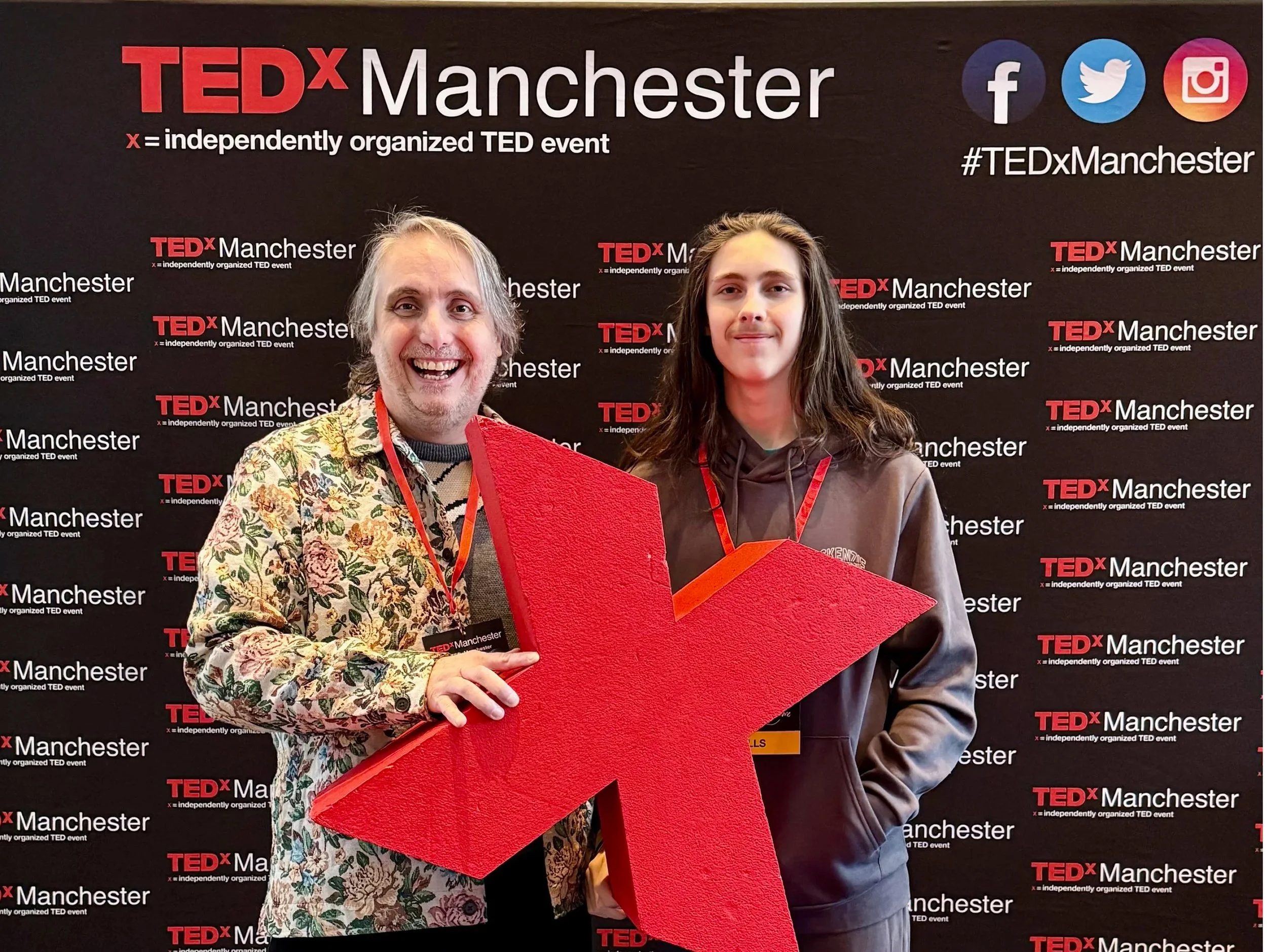
TEDx Manchester 2026 at the Bridgewater Hall — seven hours, ten speakers, one very large stage. Here are the five talks that landed hardest, and what they mean for how we work, think, and pay attention.
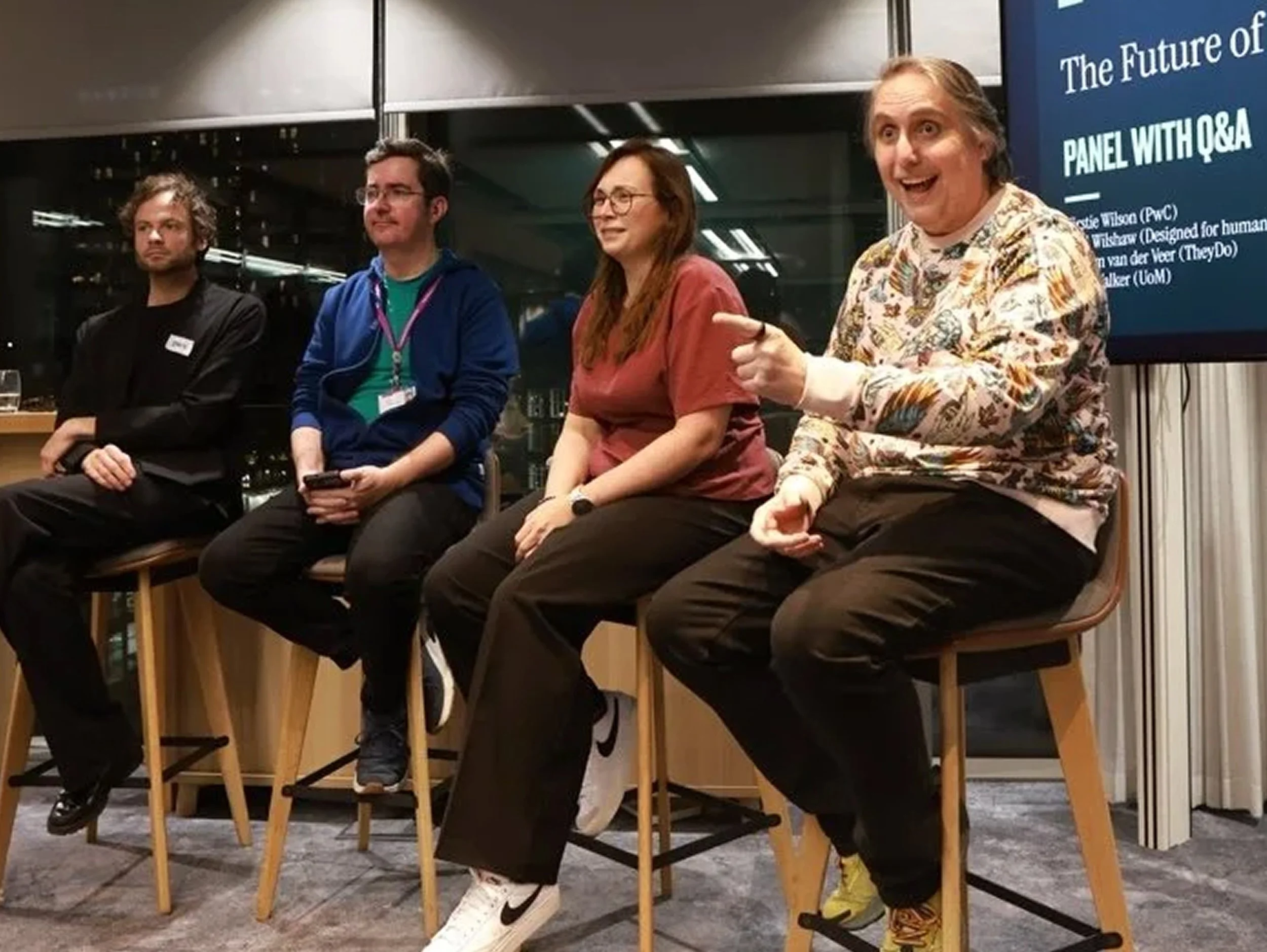
We talked about big things. Some of us gestured a lot. And apparently I said something about glitter and turds that made it into the official Natter write-up, which feels like a personal milestone. Here's what actually came out of it.
Gemini 3 can speed up UX and UI design without losing quality. This practical guide shows five ways to use it: wireframing, design system tokens and variables, UI to code, consistent visuals, and quick accessibility audits. Copy the prompts, ship useful artefacts, and stay inclusive.
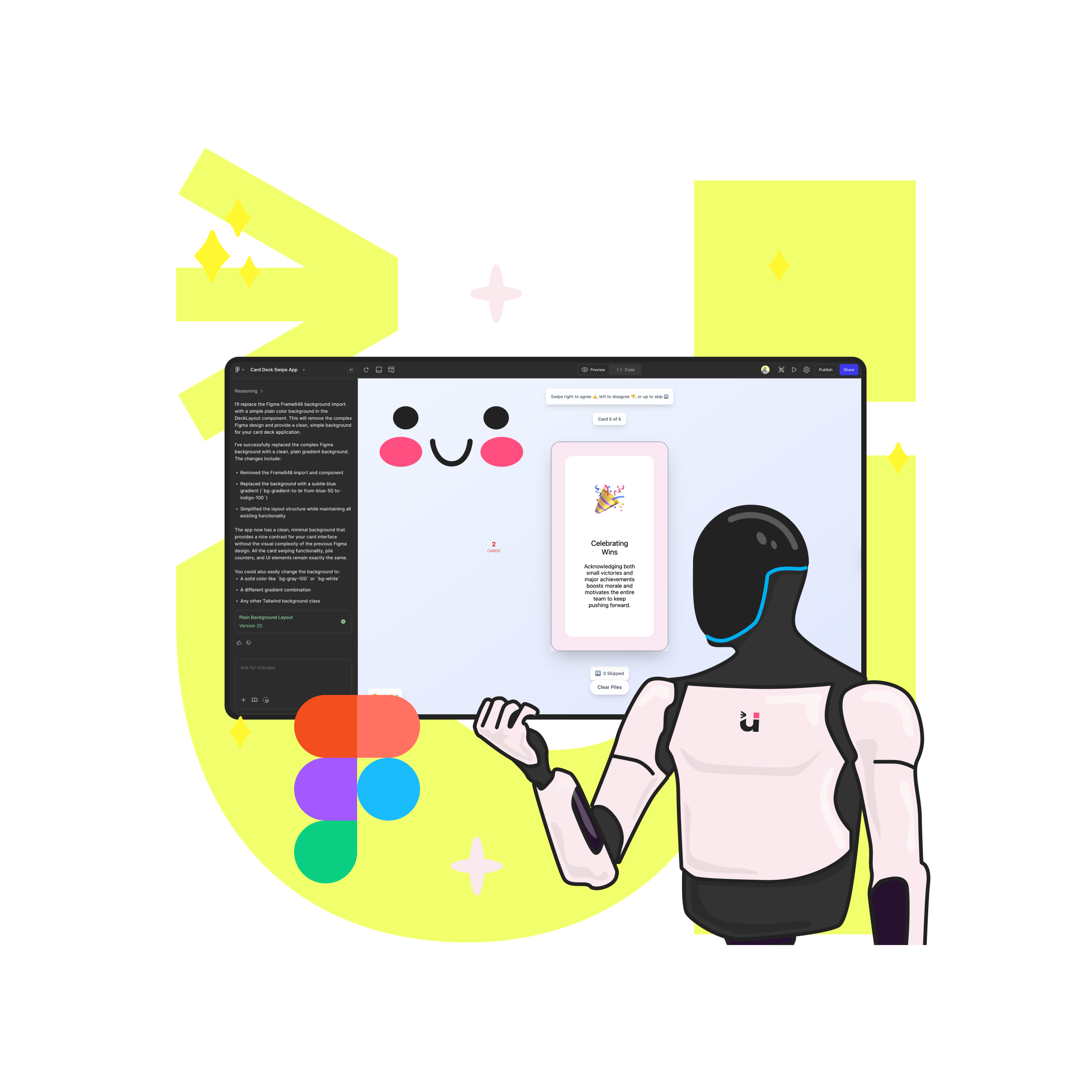
Power up Figma Make with prompts that read like a brief, frames that act like systems, and tight constraints. Use the 10 minute Make loop, Prompt DNA and a token bridge to keep prototypes fast, accessible and on brand. Less rework, sharper demos, more time for human craft.
Most “intuitive” interfaces are just clear. This article shows how to remove cognitive load with precise language, predictable structure, and visible feedback. Use the clarity trifecta and the 3–30 ladder, run the five-second test, and fix mobile-first friction that costs sign-ups and sales.
Tailwind and Shadcn help designers and engineers move from ideas to accessible, consistent interfaces at speed, especially in an AI workflow.

We’re thrilled to share that Designed for Humans has been selected to join the DiSH Accelerator programme.
Being selected for the programme marks an exciting step forward for us as we continue to expand our work in sustainable, inclusive and ethical digital design. Read the blog to find out what this means for Designed for Humans.

Today (08/10/25) is Ada Lovelace Day, an international celebration of the achievements of women in science, technology, engineering and maths (STEM). Read the blog to find out why it is important to consider what we can all do to inspire the next generation of women into STEM.
